
"Arabica climate"
6000 article(s) found

The main varieties of coffee are Arabica and Robusta Arabica coffee tree Robusta coffee
Extreme weather can do a lot of damage to crops, especially coffee, coffee researchers say: coffee is a canary in coal mines under climate change. This means that coffee crops are the most sensitive to climate change, where a slightly unusual climate can affect the harvest of coffee beans; coffee trees, especially Arabica varieties, are extremely vulnerable to all symptoms of global warming. Leaf rust pounce

Arabica coffee is on the verge of extinction, fit and cherish!
It's hard to imagine what it would be like without this rich, bitter black liquid in a world that consumes 1.5 billion cups of coffee a day. But it is not impossible for such a world without coffee to become a reality. Scientists tell us that half of the arable land needed to produce coffee will disappear by 2050. Arabica, the most consumed coffee variety in the world, will be extinct in the wild by 2080.

New wild coffee varieties found in Africa Arabica coffee varieties are expected to improve their high temperature resistance.
For more information on coffee beans, please follow the coffee workshop (Wechat official account cafe_style). A recent study by the Potsdam Climate impact Institute shows that climate change will affect the production and quality of boutique coffee beans in Ethiopia. In order to ensure that the global coffee supply chain can adapt to climate change, coffee planting researchers are also constantly looking for
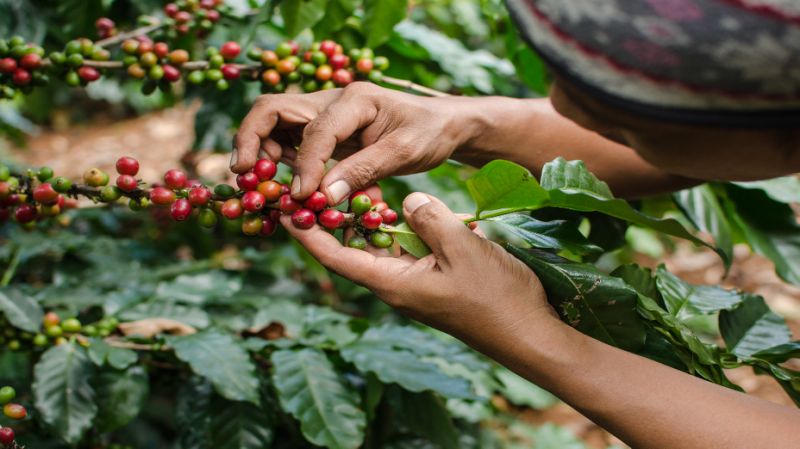
Climate change 60% of wild coffee beans may become extinct! Arabica is an endangered species!
Professional coffee knowledge exchange more coffee bean information Please follow the coffee workshop (official Wechat account cafe_style) many people regard coffee as spiritual food, and the world can drink 2 billion cups of coffee a day. However, researchers at the Royal Botanical Garden say 60% of the world's wild coffee varieties face the threat of climate change, the loss of deforestation habitats and the threat of diseases and pests.

A brief introduction to the planting situation of Yunnan boutique coffee beans with small nuts, geographical location, climate and altitude
The planting areas are mainly distributed in Lincang, Baoshan, Simao, Xishuangbanna, Dehong and other states. The average temperature of Baoshan is 21.5℃, and the highest is 40.4℃, which is basically frost-free all the year round. It is recognized as the best producing area of small-grain coffee. The small-grain coffee cultivated here is famous at home and abroad for its strong but not bitter, fragrant but not strong, well-proportioned small noodles, mellow and fruity. Tasting specialist of the International Coffee Organization

A brief introduction to the cultivation of Arabica boutique coffee beans, geographical location, climate and altitude
Good Arabica? Coffee requires complicated manual picking, selection and meticulous processing, so are the most expensive and best coffee beans in the world? Arabica? Grow coffee. Robusta? Growing coffee is usually used to produce instant coffee and canned coffee because of its low cost. A few of the better ones? Robusta? Growing coffee is also used in blending (with Allah)
Las Haras, Costa Rica, baking degree and flavor of hand-picked coffee beans 100% Arabica
The growing environment of Costa Rican coffee beans: Costa Rica has a unique advantage in producing high-quality coffee beans with excellent aroma and flavor due to its high altitude, fertile volcanic soil, warm temperature, stable rainfall and tropical climate. Arabica coffee beans come from delicate plants and require specific climatic conditions to thrive, including high altitude and temperature.
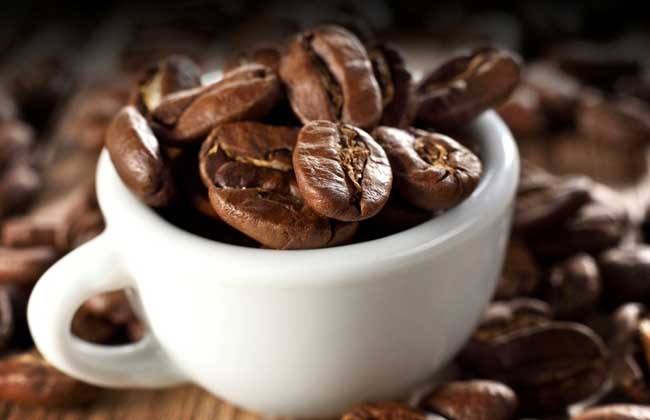
Introduction of planting Climate Export in Alabica Coffee Bean producing area of Yunnan Province
Follow the caf é (Wechat official account vdailycom) found that the beautiful cafe opened its own shop and planted Arabica coffee beans in Yunnan. The varieties were first introduced in 1892 in Zhukula area, Pingchuan Town, Binchuan County, Dali Prefecture, Yunnan Province. Arabica Bourbon and Arabica Tippica coffee beans were introduced, and then Kenya Katimo (Arabica and Luo) was introduced in 1991.

Coffee cultivation techniques how to cultivate coffee seeds? Suitable climate and soil for coffee cultivation
Professional coffee knowledge exchange more information about coffee beans Please follow the coffee workshop (Wechat official account cafe_style) what are the fruits and seeds of coffee? Coffee beans bear fruit Coffee is a perennial evergreen shrub of the family Rubiaceae. At present, the coffee with economic value is Coffea arabica (Arabica) and Coffea canephora (Robusta).

The most classic iron pickup fine coffee beans cultivation geographical location climate altitude profile
Coffee fruits take longer to develop. Coffee arabica fruit ripens in 810 months, usually in December of the year. Rainfall has a great influence on fruit development, and climate conditions directly affect fruit development of Arabica coffee berries. Typica and Bourbon are the two classic high-quality coffee varieties. In 1991, they were re-cultivated.

Grass-scented boutique coffee beans from Rwanda: a brief introduction to geographical location, climate and altitude
The mission of the Rwanda Coffee Association is to manage and supervise the operation of the coffee industry in Rwanda from production to sale. The recently revised mission focuses on policy formulation and implementation, with more emphasis on the need to improve the professionalism of the coffee industry and to increase marketing efforts. Since the establishment of the Rwanda Coffee Association, it has developed Rwanda very well.
Brazilian coffee farmers turn to grow Robusta Arabica coffee beans decline.
There is no doubt that climate change has had a profound impact on the coffee industry, and a Reuters article on August 16th revealed the rise of Robusta Coffee. Farmers in Brazil, the world's largest producer of coffee beans and Arabica coffee beans, are turning to robusta coffee beans, which are more intense and unpleasant. There are signs table

A brief introduction to the planting situation, geographical location, climate and altitude of Colombia Huilan boutique coffee beans
Arabica coffee has a varied and broad potential flavor. Arabica coffee produced in different regions, different elevations and different climatic areas usually has its own characteristics. It smells like grass when it is not roasted, and after proper roasting, it shows fruity (light baked) and caramel sweet (deep roasted). Her excellent flavor and aroma make her
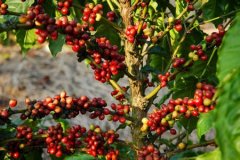
Climate change may lead to the extinction of wild coffee in 2080
According to foreign media reports, according to researchers at the Royal Botanical Gardens, if global climate change continues, plants from major coffee bean producing areas will be affected, unable to provide high-quality coffee bean products, and coffee may become extinct in 2080.

Colombia Arabica Coffee beans with unique quality
Colombia's mild climate, humid air, and diverse climate make it a harvest season all year round, with different kinds of coffee ripening at different times. What they grow is Arabica coffee beans of unique quality, and the coffee made from this coffee bean has a rich taste and endless aftertaste, which can be called fine coffee. Nowadays, many people combine Colombian coffee with high quality and delicious coffee.
Scientists: climate change could lead to the extinction of wild coffee in 2080
If you are still calmly drinking coffee and reading the news, you may not be able to calm down soon. If global climate change continues, plants from major coffee bean producers will be affected, unable to provide high-quality coffee bean products, and coffee could become extinct in 2080, according to Royal Botanical Gardens researchers. Through field visits and plant specimens, the researchers
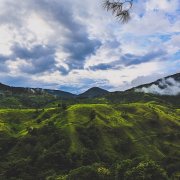
Coffee crisis, mankind's favorite drink is about to go into history.
Droughts, floods, infectious diseases and climate changes have posed a great threat to human coffee addiction. Do we really have to face the days when there is no coffee? When we read the newspaper and pick up the latte or espresso on the table, climate change seems far away, but thousands of kilometers away, the origin of coffee beans is experiencing waves. Mersey.

Arabica coffee bean price producing area species flavor description taste characteristics
Arabica coffee bean price producing area species flavor description taste characteristics 1. Suitable climate: in the area between Tropic of Cancer and Tropic of Cancer, the climate is hot and humid or hot but not dry, sufficient Rain Water, the temperature is between 15 and 25 degrees Celsius; 2. The soil is thick, hard, permeable, well irrigated and well drained. The best land is in the mountains, especially on the hillside, preferably
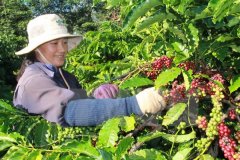
Arabica coffee can't adapt to climate change. Production is plummeting? Carbon dioxide may be the savior.
For more information on coffee beans, please follow the coffee workshop (Wechat official account cafe_style) at the end of last year, the United Nations Climate change Panel (IPCC) released a major research report on global warming of 1.5C, which solemnly warned that if countries do not reduce carbon dioxide emissions as soon as possible, global warming will exceed 1.5C between 2030 and 2053 [1]. However, President Sichuan of the United States
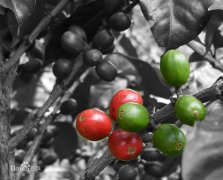
Scientists predict that wild coffee could lead to extinction in 2080 due to climate change
If you are still calmly drinking coffee and reading the news, you may not be able to calm down soon. If global climate change continues, plants from major coffee bean producers will be affected, unable to provide high-quality coffee bean products, and coffee could become extinct in 2080, according to Royal Botanical Gardens researchers. Through field visits and plant specimens, the researchers